
TMJ/TMD Therapy – North Raleigh, NC
Jaw Pain? We Can Help
Many people live with chronic jaw pain that can make it difficult to chew and speak and may lead to frequent aching of the head, back, and neck. Fortunately, Dr. Lisk and his skilled team offer effective TMJ treatments that can help balance the jaw joint and allow it to move smoothly and comfortably. Here’s a quick guide to what TMJ disorder is and how we can address the problem, but please contact our office on the web if you have any questions.
Why Choose Dr. Philip A. Lisk for TMJ/TMD Therapy?
- Friendly, Relatable Dentist
- Carefully Customized, Durable Occlusal Splints
- Advanced Technology for Diagnosing Disorders
What Is TMJ Disorder?

The joints that keep your lower jaw attached to the rest of your head are called the temporomandibular joints, or TMJ. If they’re injured in some way or suffer from excessive amounts of stress, you could develop a TMJ disorder, or TMD. There are many different ways a TMJ disorder can happen, but the result of ignoring it is generally the same: constant pain and difficulty moving your jaw correctly. Fortunately, contacting Dr. Lisk may be the best way to find relief from your TMJ disorder.
Symptoms of TMJ Disorder

TMJ disorders can show themselves through a wide variety of symptoms like:
- Jaw pain
- Difficulty moving the jaw
- Clicking or popping when the jaw moves
- Earaches or ringing in the ear
- Back and neck pain
- Pain while chewing
- Pain behind the eyes
- Change in bite alignment
Types of TMJ Treatment

To understand the cause of your TMJ disorder, Dr. Lisk will consider your health history and perform a thorough physical examination. He’ll check for tenderness, pain, difficulty moving your jaw, and unusual sounds such as clicking or popping. X-rays will likely also be required. Once a diagnosis of TMJ disorder has been made, we can figure out what kind of treatment would be appropriate.
Occlusal Splint
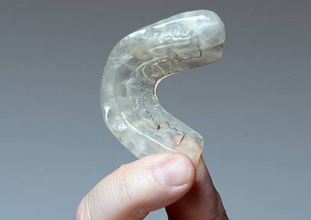
An occlusal splint is like a mouthguard, but instead of protecting your teeth from external trauma, it’s designed to help guide the jaw as you move it from side to side and front to back. This helps the jaw find a more natural resting position, giving the joints and the surrounding muscles a chance to relax. Also, if your TMJ disorder is linked to grinding of the teeth, an occlusal splint will prevent the upper and lower arches from making direct contact with each other.
Equilibration/Occlusal Adjustment
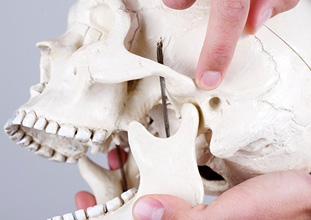
If your upper and lower teeth don’t match up correctly, the forces of your bite won’t be distributed properly either, and your TMJ could become strained or injured as a result. An occlusal adjustment procedure involves reshaping the teeth in strategic areas. The goal is to make it so that when you close your mouth, your teeth make even contact with each other. This allows the muscles in your jaw to relax and prevents unnecessary enamel wear, which goes a long way towards eliminating the pain and sensitivity associated with TMJ disorder.